
Long Island, New York: A Complete Travel Guide
Published · A1VacationHomes
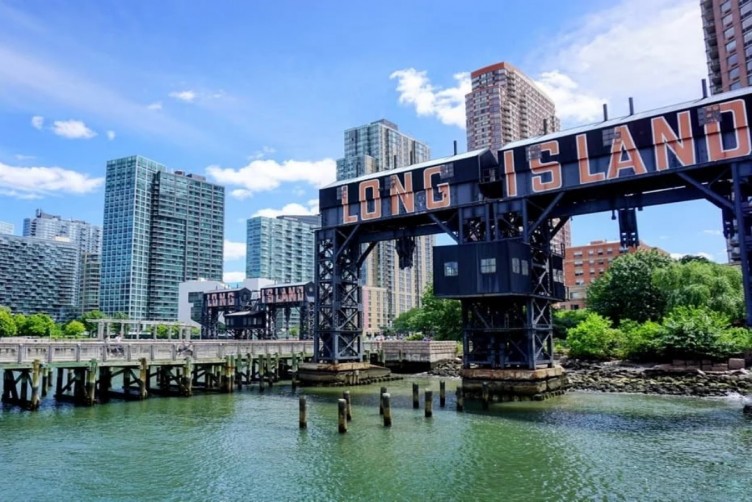
Long Island, New York, is a beautiful coastal destination that combines sandy beaches, charming seaside villages, scenic vineyards, historic mansions, and vibrant towns. Located just east of New York City, the island offers a refreshing escape from the busy city atmosphere while providing plenty of opportunities for sightseeing, outdoor adventures, shopping, dining, and relaxation.
From the famous Hamptons and the beaches of Montauk to the wineries of the North Fork and the historic Gold Coast, Long Island has something for every type of traveler. Whether you're planning a weekend getaway, a family vacation, or a longer coastal escape, this destination offers a memorable mix of natural beauty, culture, and local charm.
Why Visit Long Island, New York?
Long Island is an excellent destination for travelers who enjoy coastal scenery, outdoor activities, and picturesque towns. Its diverse landscapes make it easy to combine a beach holiday with wine tasting, historic sightseeing, and local food experiences.
Visitors can spend the day swimming in the Atlantic Ocean, exploring charming villages, touring historic estates, or enjoying fresh seafood at waterfront restaurants. The island also offers beautiful parks, nature preserves, museums, and family-friendly attractions.
Best Time to Visit Long Island
The best time to visit Long Island is generally from late spring through early fall, when the weather is pleasant and outdoor attractions are in full swing.
-
Spring (April–May): A lovely time for gardens, coastal walks, sightseeing, and exploring towns before the busy summer season.
-
Summer (June–August): Ideal for beach trips, boating, swimming, outdoor dining, and lively seaside communities. It is also the busiest and often most expensive season.
-
Fall (September–October): A wonderful season for vineyard visits, harvest events, scenic drives, and comfortable outdoor activities.
-
Winter (November–March): Quieter and often more affordable, with opportunities to explore museums, historic sites, restaurants, and peaceful coastal landscapes.
Top Places to Visit on Long Island
1. The Hamptons
Coastal villages, beautiful beaches, and upscale charm
The Hamptons are among Long Island's most famous destinations, known for their beautiful oceanfront homes, boutique shops, art galleries, and scenic beaches. Popular communities include Southampton, East Hampton, Bridgehampton, and Sag Harbor. Visitors can enjoy beach days, explore charming downtown areas, browse local galleries, and dine at excellent restaurants.
2. Montauk
Ocean views, surfing, and coastal adventures
Located at the eastern tip of Long Island, Montauk is a favorite destination for beach lovers and outdoor enthusiasts. It is known for its relaxed atmosphere, fishing culture, surfing spots, and dramatic coastal scenery. The historic Montauk Point Lighthouse is a major attraction, offering beautiful views of the Atlantic Ocean.
3. North Fork
Vineyards, farms, and peaceful countryside
The North Fork is famous for its wineries, farm stands, fresh produce, and picturesque villages. It offers a quieter alternative to the busy Hamptons, making it ideal for visitors who enjoy wine tasting, countryside drives, and locally sourced food. Greenport is one of its most charming waterfront communities, with independent shops, restaurants, and maritime character.
4. Fire Island
A peaceful island escape with beautiful beaches
Fire Island is a popular barrier-island destination featuring sandy beaches, coastal dunes, nature trails, and small communities. Much of the island is free from regular car traffic, creating a relaxed atmosphere for walking, cycling, and enjoying the shoreline. It is also home to the protected landscapes of Fire Island National Seashore.
5. Jones Beach State Park
Classic beach days and oceanfront entertainment
Jones Beach State Park is one of Long Island's best-known coastal attractions. Visitors come for its wide sandy beach, boardwalk, swimming areas, picnic spots, and seasonal outdoor concerts. It is a great choice for families and travelers looking for a traditional seaside experience.
6. Long Island's Gold Coast
Historic mansions, gardens, and grand estates
The North Shore's Gold Coast is known for its impressive historic estates and landscaped gardens. Visitors can explore places such as OHEKA Castle, Old Westbury Gardens, and Planting Fields Arboretum State Historic Park. The area's grand architecture and historic properties offer a glimpse into Long Island's wealthy past.
7. Greenport
A charming waterfront village
Greenport is a picturesque village on the North Fork, known for its maritime heritage, harbor views, independent boutiques, and relaxed dining scene. Visitors can stroll through the village, enjoy fresh seafood, visit the waterfront, and take in the area's small-town atmosphere.
These destinations showcase the island's variety, from lively beach communities to peaceful vineyards and historic landmarks.
Best Things to Do on Long Island
Long Island offers plenty of activities for visitors of all ages and interests.
-
Enjoy the beaches: Swim, sunbathe, surf, or take a relaxing walk along the shoreline at Jones Beach, Coopers Beach, or Montauk.
-
Explore local wineries: Visit North Fork vineyards for wine tastings, vineyard tours, and scenic countryside views.
-
Go boating and fishing: Enjoy sailing, kayaking, paddleboarding, or fishing along the island's coastal waters.
-
Discover historic landmarks: Explore Montauk Point Lighthouse, Gold Coast mansions, and local museums.
-
Visit nature parks: Hike, cycle, birdwatch, and enjoy peaceful outdoor spaces throughout the island.
-
Explore charming towns: Spend time in Greenport, Sag Harbor, Huntington, and Port Jefferson for shopping, dining, and waterfront scenery.
-
Enjoy family attractions: Visit Long Island Aquarium, Adventureland, and Splish Splash Water Park.
-
Play golf: Long Island has several well-known golf courses, including the celebrated Bethpage State Park courses.
Food and Dining on Long Island
Long Island has a diverse food scene shaped by its coastal location, local farms, and multicultural communities. Seafood is a major highlight, with fresh oysters, clams, lobster, scallops, and fish featured on many restaurant menus.
Visitors can enjoy waterfront restaurants, casual seafood shacks, farm-to-table dining, Italian cuisine, bakeries, and local cafés. The North Fork is particularly popular for its farm-fresh produce, wineries, and seasonal food experiences, while the Hamptons offer everything from relaxed beachside dining to upscale restaurants.
Some local specialties worth trying include Long Island oysters, clam dishes, lobster rolls, and fresh-caught seafood.
Where to Stay on Long Island
Long Island offers accommodation options for different budgets and travel styles. Visitors can choose from beachfront hotels, boutique inns, vacation rentals, resorts, and historic properties.
-
The Hamptons: Ideal for luxury resorts, stylish boutique hotels, beachside stays, and upscale dining.
-
Montauk: A great choice for oceanfront hotels, relaxed resorts, and coastal vacation rentals.
-
North Fork: Perfect for vineyard stays, country inns, bed-and-breakfast properties, and peaceful countryside accommodation.
-
North Shore: Offers historic inns, comfortable hotels, and convenient access to waterfront villages and Gold Coast attractions.
-
South Shore: Suitable for visitors who want access to beaches, boardwalks, and communities closer to New York City.
During summer, accommodation can book up quickly, especially in popular coastal areas, so reserving ahead is recommended.
Getting Around Long Island
Long Island can be explored by car, train, bus, and ferry, depending on your destination.
Renting a car is often the most convenient option for visiting multiple towns, beaches, wineries, and attractions, particularly on the East End. The Long Island Rail Road (LIRR) connects many communities with New York City and provides access to several popular destinations.
Local buses serve selected areas, while ferries connect the mainland with places such as Fire Island and Shelter Island. Visitors should check seasonal schedules and transportation options before traveling, particularly when planning to visit smaller coastal communities.
Getting to Long Island, New York
Long Island is easily accessible from New York City and other parts of the northeastern United States.
-
By Air: Visitors can arrive through John F. Kennedy International Airport (JFK), LaGuardia Airport (LGA), or Long Island MacArthur Airport (ISP).
-
By Train: The Long Island Rail Road connects New York City with many Long Island communities.
-
By Car: Driving is convenient for exploring the island, particularly the North Fork, Hamptons, and Montauk.
-
By Bus: Coach services connect New York City with popular destinations, including the Hamptons and Montauk.
-
By Ferry: Ferry services provide access to Fire Island and Shelter Island, as well as some connections across Long Island Sound.
Top Attractions & Things to Do+1
Travel Tips for Visiting Long Island
-
Book hotels and vacation rentals early if visiting during the summer.
-
Consider renting a car if you plan to explore several regions.
-
Check beach access rules, parking fees, and seasonal lifeguard schedules before visiting.
-
Make winery reservations in advance, especially on weekends.
-
Bring comfortable walking shoes for exploring villages, parks, and coastal trails.
-
Check ferry and train schedules before traveling to smaller communities.
-
Visit during spring or fall for a quieter experience and pleasant sightseeing weather.
Frequently Asked Questions About Long Island
1. What is Long Island, New York, famous for?
Long Island is famous for its beautiful beaches, the Hamptons, Montauk, North Fork wineries, historic Gold Coast mansions, seafood, and charming waterfront towns.
2. Is Long Island worth visiting?
Yes. Long Island offers a combination of coastal scenery, outdoor activities, historic attractions, shopping, wineries, and excellent dining, making it a great destination for couples, families, and solo travelers.
3. What is the best area to stay on Long Island?
The best area depends on your interests. The Hamptons and Montauk are popular for beach vacations, the North Fork is ideal for wine lovers, and the North Shore offers historic villages and waterfront charm.
4. How many days do you need to explore Long Island?
A weekend is enough to explore one region, but around four to seven days allows more time to experience different areas, including the North Fork, Hamptons, Montauk, and Fire Island.
5. Can you visit Long Island without a car?
Yes. The Long Island Rail Road, buses, and ferries make several destinations accessible without a car. However, reaching smaller villages, beaches, and wineries can be more difficult without personal transportation.
6. Is Long Island suitable for a family vacation?
Absolutely. Families can enjoy beaches, aquariums, amusement parks, nature trails, museums, boating, and outdoor activities.